Restaurant & Café Tableware: What to Buy and How Much
Under-buy tableware and your service stalls mid-shift; over-buy and cash sits in a storeroom. Most new restaurant and café operators in Egypt do both at once — too many dinner plates, not enough of the cups that actually break. Here is the practical math and the material choices that hold up.
Par levels: the per-cover math
The industry rule is 2.5–3× your seat count for every item that touches a table each service. A 40-seat café serving all day needs roughly 100–120 of each core plate and cup: one set in use, one in the dishwasher cycle, and reserve for peaks and breakage. Fine-dining services with multiple courses push multipliers to 3.5× on side plates and glassware.
Plan for breakage from day one
Expect to lose 10–20% of ceramics and glassware annually in a busy operation. That has two procurement consequences: buy from a supplier who will still stock your line next year (orphaned patterns force full re-buys), and standardise on a small number of shapes so any piece can serve multiple menu items.
Choosing materials
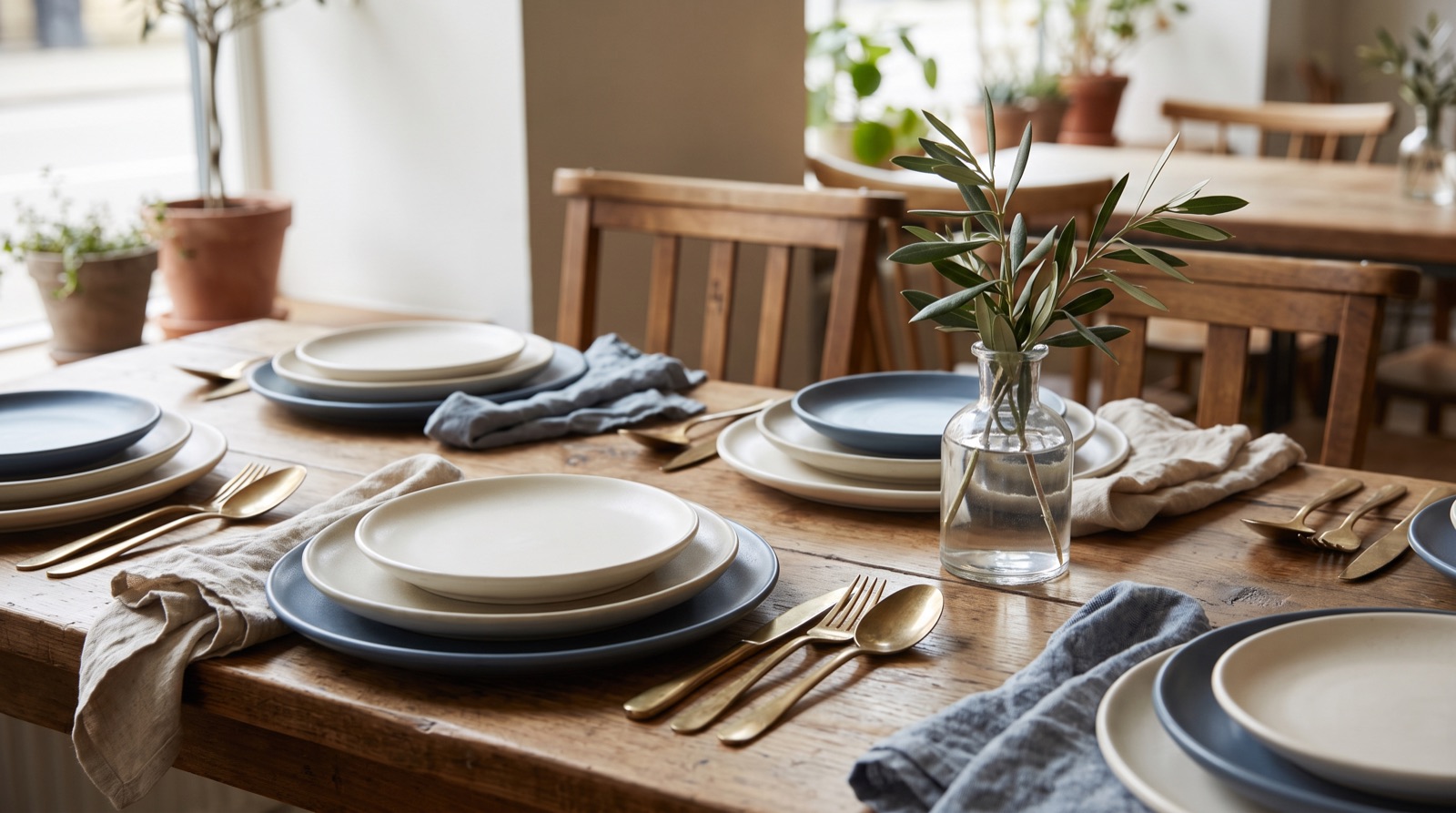
Stoneware and porcelain remain the workhorses — chip-resistant edges and commercial-dishwasher safe. Handmade ceramic serving pieces add the character guests photograph, but keep them to share plates and presentation items where handling is gentler. For outdoor terraces, weighted melamine or double-walled glass survives wind and drops.
Mixing in handcrafted pieces
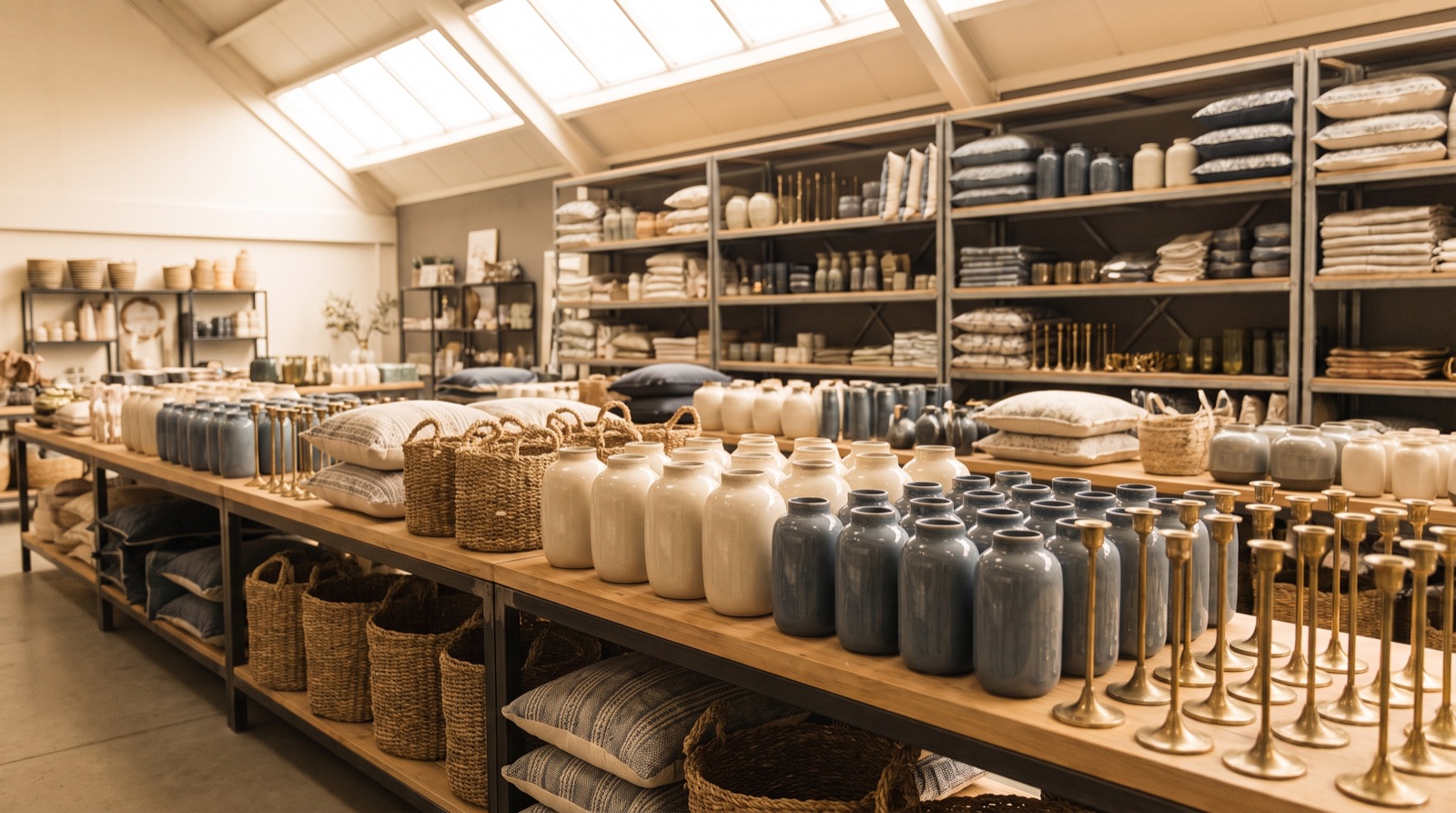
Egyptian handcrafted ceramics and woven serving trays are the cheapest way to make a table memorable — a single artisan share platter lifts an otherwise standard setting. Source them wholesale alongside your core tableware so replacements and expansions stay consistent, and ask for trade pricing on mixed orders rather than buying craft pieces retail one by one.
Ready to source for your business? Create a Coccaro Home Business account to unlock wholesale pricing, request quotations, and get a dedicated trade contact.
Furnishing a business? Let's talk trade.
Wholesale pricing on handcrafted décor, furniture and appliances — for hotels, restaurants, cafés, offices and retailers.
Create Business Account